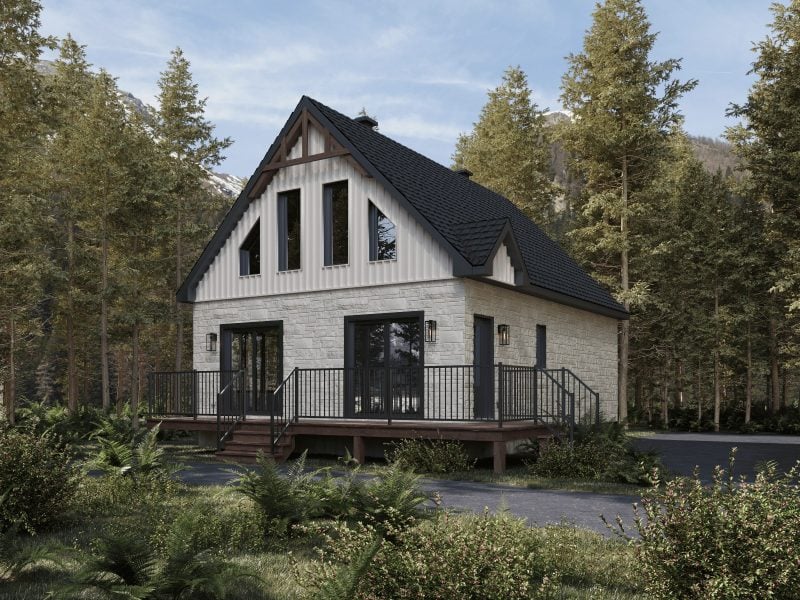
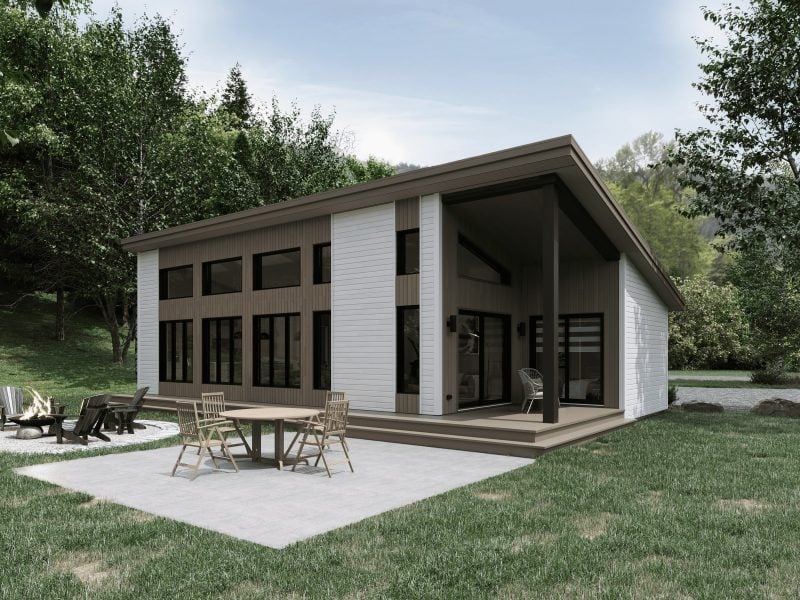
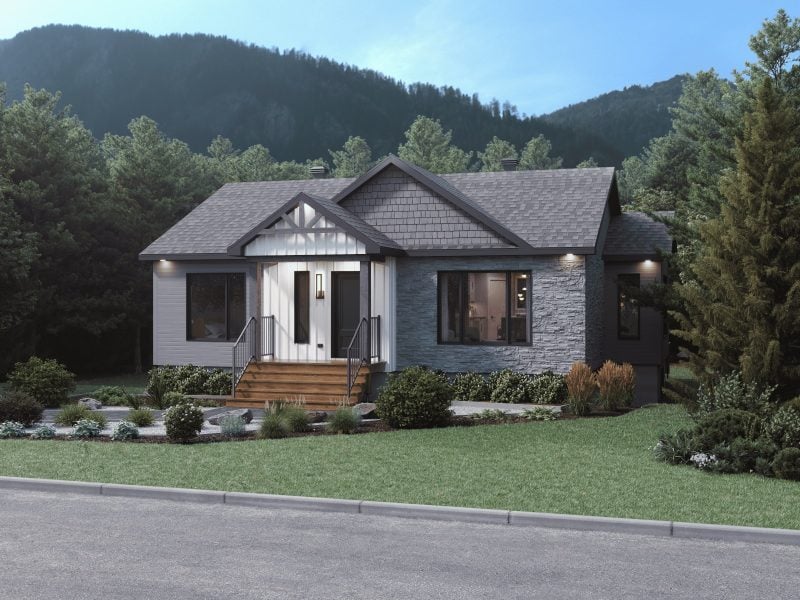
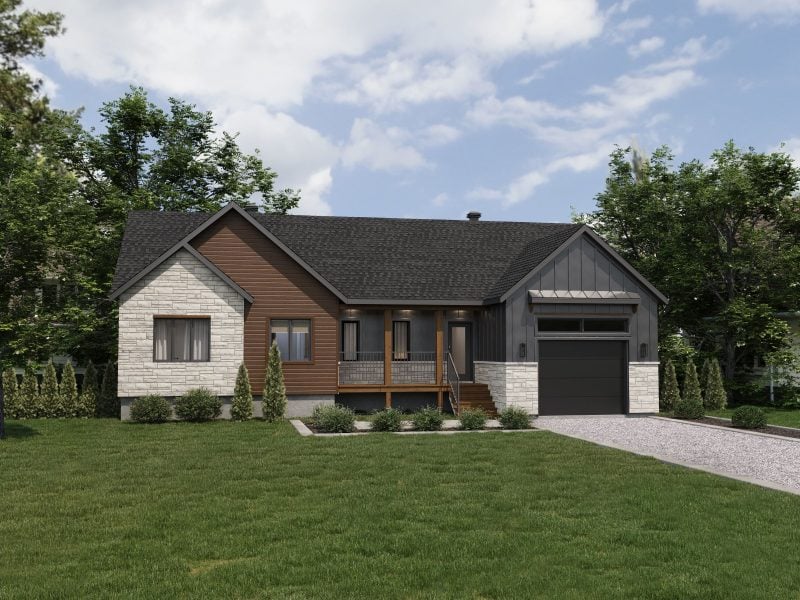


New Home Construction: 6 Essential Steps to Properly Plan Your Project
Building a new home is one of the biggest projects in a lifetime. You imagine the living spaces, family moments, and everything that will make it feel like home. Whether you are just starting to explore your options or looking for a builder to build a factory-built home in Quebec, this guide walks you through six essential steps to bring your exciting project to life.
You will learn how to:
- Define your needs and budget
- Choose the right lot and neighbourhood
- Verify municipal regulations
- Explore financial assistance programs
- Select the right partners
- Properly plan your new home construction
The more groundwork you complete in advance, the more informed your decisions will be and the more confidently you’ll move forward with your project.
Step 1: Define Your Needs and Budget
Start by identifying what you truly need and establishing a realistic budget. These elements will help guide your decisions throughout the project while keeping your priorities and finances aligned.
Define Your Lifestyle
The ideal home should meet your current needs while offering the flexibility to adapt as your life evolves.
To help clarify your priorities, ask yourself a few questions:
- How many bedrooms do you need?
- Do you work from home regularly?
- Do you need a garage or additional storage space?
Then consider your long‑term needs. Could your family grow? Might you welcome a relative into your home? Do you plan to age in place?
Your answers will help determine the model, size, and layout that best suit your lifestyle. The goal is not to predict every detail of the next 20 years, but to choose a home that can adapt with you.
Evaluate Your Financial Capacity
Once you have defined your needs, obtain a mortgage pre‑approval to determine your borrowing capacity and the down payment required. This will help guide your search for a building lot and home model.
Keep in mind that the home’s price is only one part of the overall construction cost. Your budget should also include:
- Land purchase
- Taxes
- Notary fees
- Permits and inspections
- Soil or site studies (when required)
- Landscaping and site preparation
By accounting for these expenses from the start, you will gain a more accurate picture of your project’s total cost and be able to compare your options more effectively.
Leave Room for Flexibility
As planning progresses, certain options may become more important or be added to the project. For example, you may decide to add a garage, choose premium materials, or include upgrades that improve your home’s comfort.
Setting aside a contingency allowance gives you the flexibility to explore these possibilities when the time is right. Whether it is quartz countertops, additional kitchen storage, or a fireplace, you can evaluate these options without having to rethink your entire project.

A factory‑built home offers many personalization possibilities. The key is to identify what matters most in your day‑to‑day life. From there, you can choose a model and options that best suit your lifestyle.
At ProFab, we help you plan your budget by providing a clear cost estimate from the early stages of your project, beginning with the signing of the purchase agreement. As your decisions take shape, particularly during your visit to the ProFab Design Centre, your project is refined to reflect your final investment as accurately as possible and to help you better anticipate potential cost fluctuations that may arise throughout the project, including changes in material prices.
Step 2: Choose the Right Lot and Neighbourhood
Finding the right lot means choosing a location that fits your lifestyle while providing the conditions necessary to build the home you envision.
Find a Location That Fits Your Daily Life
A neighbourhood may look perfect on paper, but does it fit your reality?
Consider commute times and proximity to work, schools, shopping, healthcare services, and green spaces. If you rely on public transportation, verify access to major transit networks as well.
If you’re considering multiple areas, visit them at different times of the day. Traffic, noise levels, and the overall atmosphere can vary significantly and may influence your decision.
Verify That the Lot Fits Your Project
Before making an offer, ensure the lot can accommodate the home you want to build. Lot dimensions determine available space for the house and outdoor living areas. Topography can affect excavation work, while orientation can maximize natural light and improve comfort.
Also investigate soil conditions and available services such as water, sewer, electricity, and natural gas. These factors will help you estimate associated work and costs.
Calculate Land‑Related Costs
The purchase price represents only part of the investment. Depending on the property, you may need to budget tree clearing, grading, filling, or installing a well and septic system. A less expensive lot is not always the most affordable option once all required work is included.
At ProFab, foundation construction and municipal service connections are included. When appropriate, we often recommend a basement foundation, as it can integrate naturally into both the home’s design and the overall project plan.
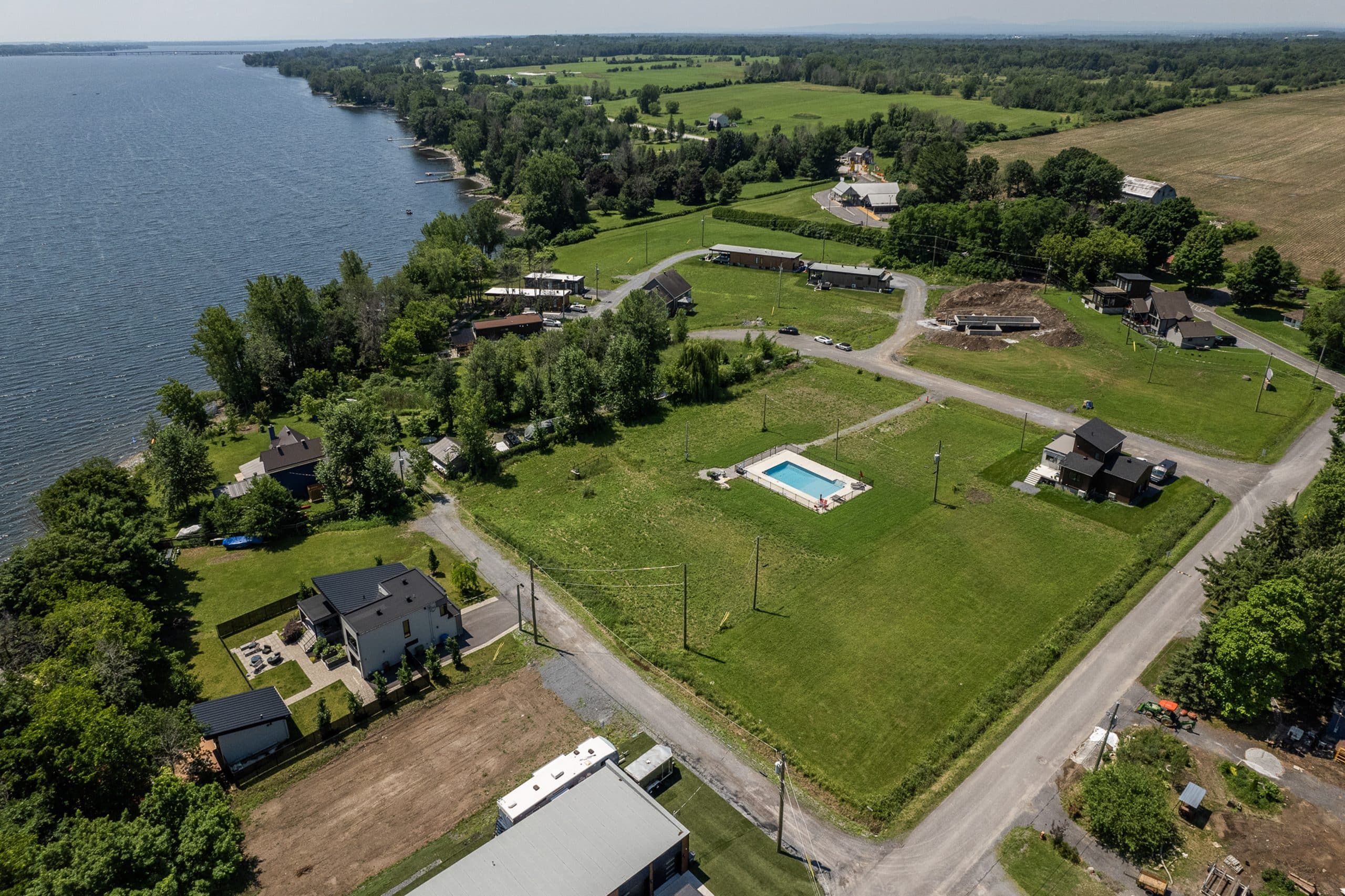
Looking for a lot for your future home? Our home consultants keep an eye on new residential developments throughout Quebec and can help identify promising locations.
Step 3: Verify Municipal Regulations
Have you found the perfect lot? Before moving forward, make sure your project complies with local municipal regulations.
Regulations That May Impact Your Project
Municipal bylaws can affect several aspects of your project, from permitted housing types, such as micro-homes, to approved building materials. They may also regulate setbacks, building height, and roof design. Because these requirements vary between municipalities, it’s important to confirm them before choosing your home model.
Required Permits and Approvals
Before construction begins, ensure all required permits are obtained from your municipality.
Before construction begins, make sure you have obtained all required permits from your municipality. Required documentation typically includes construction plans, a site plan, and various municipal application forms. Depending on the property’s location or characteristics, additional permits or approvals may also be required, particularly if the lot is subject to specific regulations or development constraints.

By gathering this information early, you can factor approval timelines into your schedule. The sooner these checks are completed, the fewer adjustments you’ll need later. Our team can also assist with permit applications and inspections before, during, and after construction.
Step 4: Explore Financial Assistance Programs
Certain programs can help reduce costs or make homeownership more accessible, including the GST rebate available to eligible homeowners.
Municipal Programs
Some municipalities offer incentives to encourage residential construction and new neighbourhood development.
Depending on your location, you may qualify for:
- Property tax credits or partial reimbursements
- Grants for tree planting or landscaping projects
- Incentives for energy‑efficient homes
These programs vary by municipality and may only be available for a limited time. Check your municipality’s website or planning department for details.
Government Assistance Programs
Several government programs can support homeownership. Some well‑known examples include:
- The Home Buyers’ Plan (HBP), which allows eligible individuals to withdraw funds from their RRSP to purchase or build a qualifying home.
- The First Home Savings Account (FHSA), which combines tax advantages similar to both an RRSP and TFSA, helping first‑time buyers save for a down payment.
Other energy‑efficiency programs, such as Hydro-Québec’s LogisVert program and Novoclimat, may provide financial assistance for qualifying equipment and materials.
Program requirements and eligibility criteria can change over time. Make sure to verify current conditions, deadlines, and application details.
Step 5: Choose the Right Partners
Selecting an experienced builder and knowledgeable professionals can simplify the process and help you make better decisions.
The Builder’s Role
The builder serves as your primary partner throughout the project and can help coordinate each stage of construction.
At ProFab, our support begins long before construction starts. We guide you through important decisions so that every choice fits within a larger vision. From selecting a lot and planning foundations to choosing finishing materials, you’ll benefit from having a single trusted partner throughout the process.
Other Essential Professionals
Several experts may be involved at different stages:
- Land surveyors prepare site plans and certificates of location.
- Architects and architectural technologists design or adapt plans to fit your needs and municipal requirements.
- Interior designers and kitchen specialists help select materials and plan interior spaces.
When you choose a factory‑built home builder like ProFab, you benefit from the combined expertise of multiple professionals under one roof. At the ProFab Design Centre, you can select all materials for your project in a single day, including cabinetry, plumbing fixtures, flooring, and more.
How to Compare Quotes
Price is important, but it should not be your only consideration. Two quotes may differ significantly because they do not include the same scope of work.
Pay special attention to:
- Materials and workmanship
- Site preparation
- Support services
- Warranties
- Construction timelines
You may also request references, tour completed projects, or read customer reviews.

A successful relationship with your builder is built on transparency. The more clearly expectations and responsibilities are defined at the beginning, the smoother the project will be. Don’t hesitate to ask questions. A quality partner will take the time to answer them.
Step 6: Properly Plan Your New Home Construction
After making the major decisions, it’s time to organize the project. While every construction project is unique, a few best practices can make the process easier.
Establish a Realistic Timeline
Home construction spans several months and involves many carefully coordinated stages. By planning ahead, you’ll gain a clearer view of what’s coming and move through the process with greater peace of mind.
With ProFab’s support, each phase is scheduled based on project progress and timeline requirements. Our customer service team ensures that the necessary follow‑ups are completed at the right time.
Make Important Selections Early
Certain selections must be finalized before construction begins, including exterior finishes, flooring, finishing materials, cabinetry, plumbing fixtures, and certain electrical features. The ProFab Design Centre simplifies this process by bringing many of these choices together in one place. With the guidance of our advisors, you can confidently select the materials, finishes, and design elements that will give your home a style that truly reflects your vision and lifestyle.
Maintain Some Flexibility
Every construction project requires flexibility. However, factory‑built construction allows for greater control over timelines and quality. Because much of the home is built indoors in a controlled environment, the impact of weather and site conditions is significantly reduced. In addition, inspections are conducted before, during, and after construction to ensure compliance and quality.
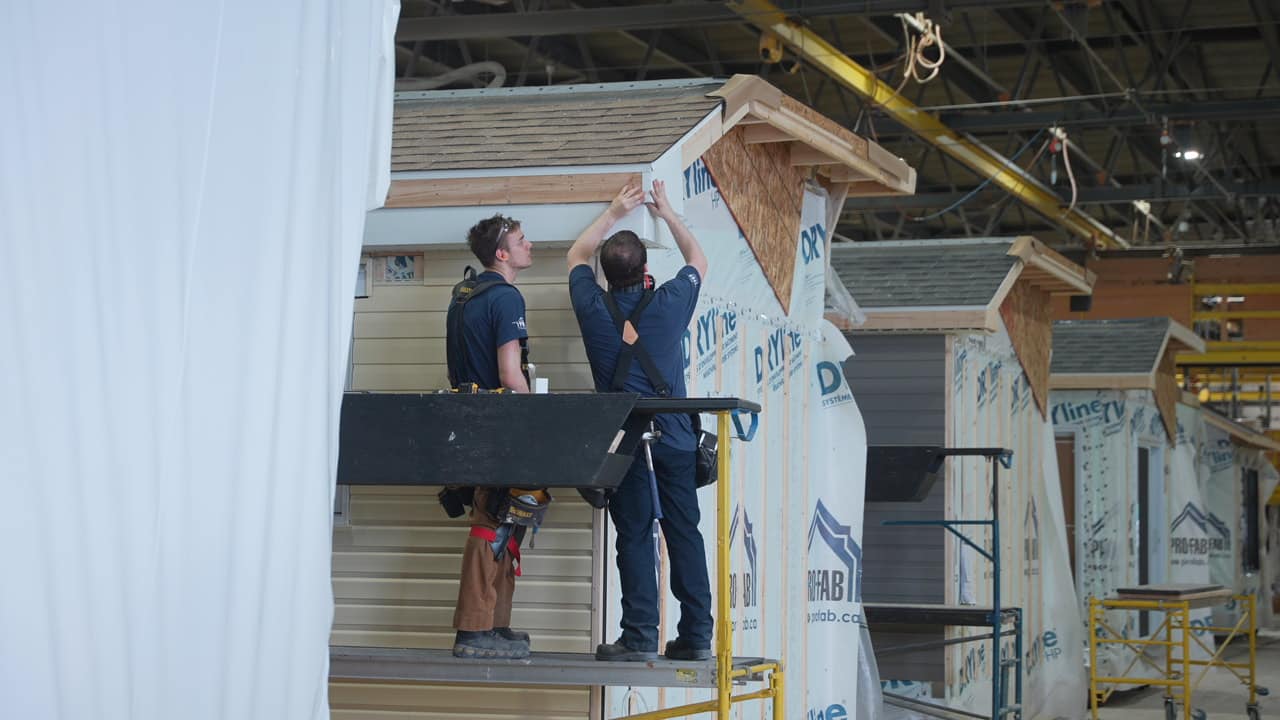
With ProFab, your new home is built progressively alongside you. From selecting a lot and foundation to choosing finishing materials, we guide you through every step of the process.
Good Preparation Is the Best Investment
Every construction project is unique, but one thing remains true: proper preparation helps you make the right decisions at the right time with a clear vision of the road ahead.
If you are ready to begin your new home construction project, surround yourself with professionals who can guide you from the start. At ProFab, this support is an integral part of our approach. Our promise is to build durable homes using proven construction methods backed by more than 35 years of experience.
Contact us to bring your real estate project to life under the best possible conditions.
Frequently Asked Questions
Is a modular home as strong as a site‑built home?
Yes. A modular home is built according to the same standards required by the Quebec Construction Code as a home built directly on‑site. The main difference lies in where it is built. Much of the home is assembled in a controlled factory environment before being transported and installed on the lot. Once completed, a modular home offers the same durability and comfort as a traditional site‑built home.
Can a modular home be customized?
Yes. A modular home can be highly personalized. The term “modular” does not mean the home is standardized or offers limited options. Depending on the builder and model selected, you can personalize the layout, number of bedrooms, finishes, and materials.
How long does it take to build a new home?
Construction timelines vary depending on site conditions and the home’s specifications.
For a ProFab factory‑built home, the process generally takes between 10 and 12 weeks from initial planning to delivery on‑site.
The manufacturing phase itself is completed in only four to five days, while assembly and utility connections require several additional weeks. This approach allows multiple stages to occur simultaneously and helps keep the project on schedule.
Does a modular home cost less than a traditional home?
Not necessarily.The cost of a modular home depends on factors such as size, personalization level, and selected materials. However, fixed pricing at the time of signing helps provide greater budget certainty from the outset.
Because factory construction reduces many of the unforeseen challenges associated with traditional construction sites, homeowners can typically plan their budgets with greater confidence.
Does a modular home retain its value?
Yes. Like any property, the value of a modular home depends on factors such as location, construction quality, maintenance, and market conditions. A well‑built and properly maintained modular home can retain its value and be resold according to the same principles as a conventionally built home.


