

Building a Cottage, Investment or Lifestyle Project?
Building a cottage can mean different things, a gathering place for the family, a source of rental income or a project shared with friends or relatives. Each approach shapes the choice of land, the floor plan and the budget. Here are the key questions to ask before choosing the one that fits your project.
A Project That Can Take Many Forms
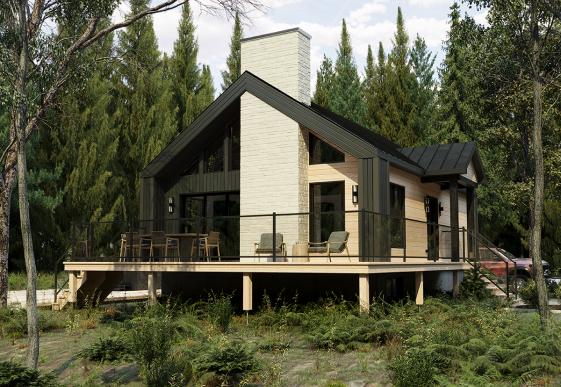
A cottage can serve many purposes over the years. It can become a family gathering place, a second home, a project shared with friends or relatives, or a property rented out during certain periods. It can also be built as an entirely rental‑focused investment, designed from the outset to welcome guests and simplify management.
Each approach influences the choice of land, the floor plan, the materials, the financing and the level of involvement required from the owners. Before building, it is worth defining the role the cottage will play in your life and the goals it needs to meet.
A Cottage as a Lifestyle Project
For many owners, a cottage’s first value lies in the time spent there. It offers a place to reconnect, enjoy the outdoors and build habits that return season after season. Vacations become easier to plan, weekends take on a different rhythm, and the cottage becomes part of family life.
Before finalizing the floor plan, it is important to think about how the cottage will be used, both today and years from now. Will it be occupied mainly during the warmer months, or should it be adapted for all four seasons? Will it remain a secondary residence, or could it become a primary residence at retirement? These choices affect insulation, heating, winter access, the number of bedrooms, storage space and the flow of the home.

This vision also shapes the layout. A large living area encourages gatherings, while an open kitchen lets you cook without stepping away from guests. Well‑separated bedrooms offer more privacy, and a functional entryway accommodates boots, coats and outdoor gear. If the cottage is meant to eventually become a primary residence, a single‑storey layout, easily accessible spaces and rooms that can evolve over time can also meet future needs.
Location rounds out the equation. Distance from the primary residence, winter road maintenance, proximity to activities, and access to shops and services deserve as much attention as the view or the size of the lot. A cottage well suited to its use and easy to access multiplies the chances to enjoy it, now and for years to come.

Renting Out Your Cottage for Part of the Year
Some owners choose to keep several weeks for personal use and rent out the cottage the rest of the time. This approach can help cover part of the annual costs while still leaving enough time for family stays.
A cottage designed this way benefits from a degree of versatility. A locked storage area can be set aside for the owners’ personal belongings. Bedrooms should offer clear accommodation capacity, and common areas should comfortably welcome several guests.
Durable floors, easy‑to‑maintain surfaces and accessible storage also make stays simpler. The goal is not to create an impersonal space, but a welcoming cottage that remains easy to manage.
In Quebec, a cottage offered to tourists for payment for periods of 31 days or less generally must be registered as a tourist accommodation establishment. Before applying, the owner must notably obtain a municipal confirmation of compliance and hold civil liability insurance of at least two million dollars per occurrence. Full requirements are set out in the Government of Quebec’s official registration process for tourist accommodation establishments.

Building a Fully Rental Cottage
A project intended entirely for rental is planned differently than a family secondary residence. The choice of land then relies as much on its appeal to guests as on its natural qualities. Proximity to activities, year‑round accessibility, the view, the quiet and available services can all influence travelers’ interest.
The floor plan must accommodate a variety of uses. A welcoming living area, several bedrooms, enough bathrooms and a clear flow make it easier to host different groups. A winter‑ready entryway, space for seasonal gear and dedicated maintenance storage also simplify management.

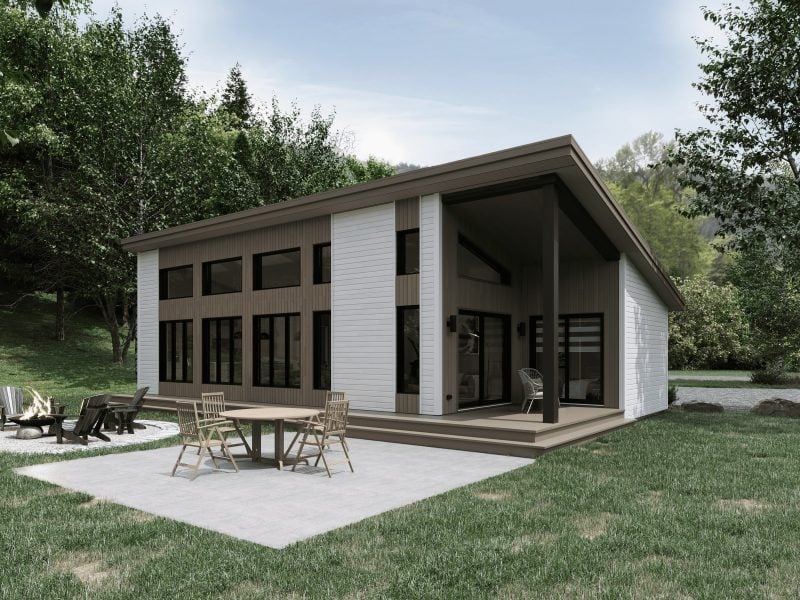
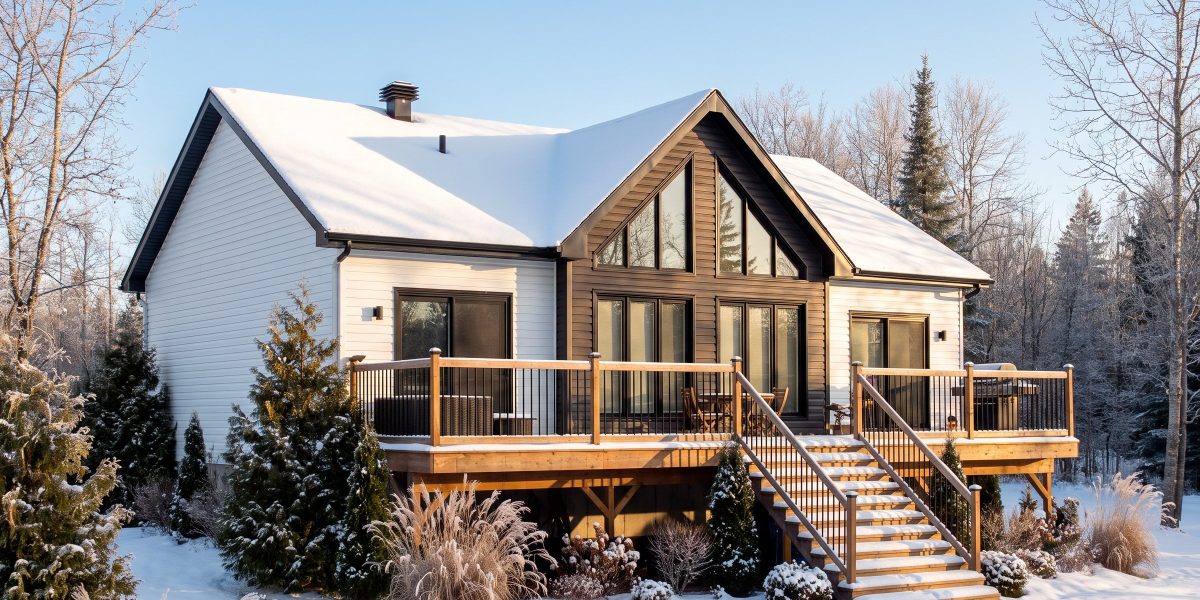
The outdoor experience can round out the project. A terrace facing the landscape, direct access to the grounds, or storage space for bikes, skis and watercraft all enhance the stay without necessarily increasing the indoor floor area.
A fully rental cottage also calls for a realistic financial plan. Potential income must be weighed against financing, taxes, insurance, maintenance, cleaning, utilities, management, platform fees and periods without bookings.
Rental income must be declared. Certain reasonable, eligible expenses can be deducted based on their connection to the rental activity and the period during which the property is genuinely offered for rent. Revenu Québec sets out the rules on declaring income from short‑term accommodation and property rental.

Short-Term or Longer‑Term Rental?
Short‑term rental offers a degree of flexibility. Owners can adjust available periods to their own schedule and keep certain weeks for personal use. This approach, however, requires ongoing management of bookings, communications, cleaning and arrivals.
A longer‑term rental generally reduces how often tenant’s change. It does, however, leave owners less freedom to enjoy the cottage at different times of the year.
The choice therefore depends on the level of involvement desired. Some owners prefer to manage everything themselves to stay in direct contact with guests. Others hand off bookings, maintenance and service to a specialized company, factoring those fees into their budget.
Tax obligations can apply to short‑term rentals, including registration for the lodging tax and, depending on the situation, for GST and QST. Owners must also declare their rental income. The process is explained in Revenu Québec’s guide to short‑term accommodation.

Building a Cottage With Others
Buying with others is another way to bring a cottage project to life. Family members or friends can share the down payment, the payments, the taxes, the maintenance and the various responsibilities tied to the property.
This approach sometimes makes it possible to access a better‑located lot, a more generous size or a cottage with more bedrooms. To preserve harmony, expectations should be set from the outset. Each person’s financial contribution, usage periods, expense sharing, decisions about work on the property and the terms for exiting the project are worth putting in writing.

In Quebec, the purchase of a single property by several people can take the form of undivided co‑ownership. An undivided co‑ownership agreement can govern cost sharing, property management, occupancy rights, restrictions on selling and the rules that apply when the arrangement ends. The Chambre des notaires du Québec explains what such an agreement can cover and recommends consulting a notary to tailor it to the co‑owners’ situation.
The cottage’s floor plan should also reflect this shared use. Bedrooms of comparable size promote balanced use. A large common area brings the group together, while a few more secluded spots allow for working, reading or resting. Storage assigned to each person also simplifies arrivals and departures.

Defining What Profitability Means
Profitability doesn’t look the same for every cottage. It can mean rental income, shared expenses between co‑owners or the property’s potential appreciation. It can also be measured by how much the cottage is actually used and the value it brings to family life.
To assess the project accurately, it helps to consider the full picture.
- the price of the land and site preparation
- construction and financing costs
- taxes and insurance
- utilities and maintenance
- management and cleaning fees
- periods reserved for personal use
- a realistic number of rental weeks
- the rental rate achievable in the area
- slower periods
- the owners’ future needs
A cautious scenario remains preferable. The project should stay balanced even if bookings fall short of projections. Rental income then becomes support for the project rather than its sole condition for success.
Checking Feasibility Before Choosing Your Land
When a cottage is intended for rental, zoning must be confirmed before purchasing the land. Requirements can vary from one municipality to another and may cover permitted use, parking, nuisances, safety and sanitation.
The Government of Quebec requires a municipal confirmation of compliance before registering a tourist accommodation establishment. Rules should therefore be verified with the municipality before offering a cottage for short‑term rental.
The registration number and the establishment’s name, where applicable, must also appear in advertisements and listings posted on digital platforms. Requirements are detailed in the official rules on displaying the registration number and certificate.
These checks make it possible to choose, from the start, a lot compatible with the intended use and to move forward with a clear vision.

Designing the Cottage Around Its Real Use
The cottage’s role should be defined before finalizing the floor plan. A family property will focus on the habits of its occupants. An occasionally rented cottage will need to balance the owners’ needs with those of guests. A fully rental project will prioritize durability, capacity and efficient management. A shared cottage will need to balance common areas with privacy.
Factory‑built construction makes it possible to start from a proven model and adapt certain elements to the intended use. The number of bedrooms, the layout of the bathrooms, storage, the kitchen, outdoor access and common areas can all be planned as a cohesive whole.
This planning makes it possible to create a cottage that is enjoyable to live in today, while remaining adaptable to future plans.

An Investment in a Way of Life
Building a cottage can be a lifestyle project, a shared property, a source of additional income or a fully rental investment. These possibilities can also evolve over time.
The key is to define your priorities before choosing the land and the model. A well‑planned project preserves the pleasure of having a place of your own while leaving room, when it makes sense, for rental income or shared expenses.
A cottage’s value then lies as much in the moments lived there as in the possibilities it offers.
Ready to Take the Next Step?
Municipal, tax, financial and legal rules can vary by location, rental type and the owners’ situation. Before starting a rental project or a purchase with others, confirm your situation with your municipality and with qualified professionals, including a financial advisor, an accountant and a notary.